
The psychology of risk Understanding the mental game in gambling decisions
The Role of Emotion in Gambling Decisions
Emotions significantly influence gambling behavior, often overriding rational decision-making processes. The thrill of anticipation and the adrenaline rush associated with betting can lead to impulsive choices. Players may chase losses driven by desperation, resulting in a cycle of poor decisions fueled by emotional highs and lows. For anyone seeking the best online casino, understanding this emotional rollercoaster is crucial for managing one’s gambling habits.
Moreover, emotions like excitement can create a false sense of control over the gambling outcome. This psychological phenomenon, known as the illusion of control, often makes gamblers believe they can influence results through strategy, despite the inherent randomness of games. Recognizing the impact of emotion can help individuals make more informed choices and mitigate risky behavior.
Cognitive Biases and Their Effects
Cognitive biases play a vital role in how gamblers assess risk and make decisions. Common biases include the gambler’s fallacy, where individuals mistakenly believe that past events can influence future outcomes. For example, a player might think a slot machine is “due” for a payout after a series of losses, leading to continued play despite negative expected value.
Confirmation bias is another critical factor, where gamblers seek information that supports their existing beliefs while ignoring contradictory evidence. This can reinforce harmful gambling behaviors and lead to poor decision-making. By understanding these biases, players can work to counteract their effects and approach gambling more rationally.
The Impact of Environment and Social Influence
The environment in which gambling occurs can greatly affect decision-making. Social influences, such as peer pressure and group dynamics, can lead individuals to take risks they might avoid alone. In casino settings, the atmosphere is designed to stimulate excitement and encourage spending, making it easy to lose track of limits.
Additionally, social interactions can create a sense of belonging that reinforces gambling behavior. Friends and family who gamble can normalize risk-taking, making it challenging to recognize personal limits. Being aware of these external factors can help individuals maintain control over their gambling decisions.
Strategies for Responsible Gambling
Developing effective strategies for responsible gambling is essential in managing risk. Setting clear budgets and limits before engaging in any gambling activity can help maintain a balanced approach. Utilizing tools such as self-exclusion or time limits can also provide necessary boundaries to prevent excessive gambling.
Education plays a crucial role in fostering responsible gambling habits. By understanding the odds and probabilities of games, players can make more informed decisions. Resources aimed at promoting awareness can empower gamblers to recognize when they’re taking unnecessary risks and encourage healthier gaming habits.
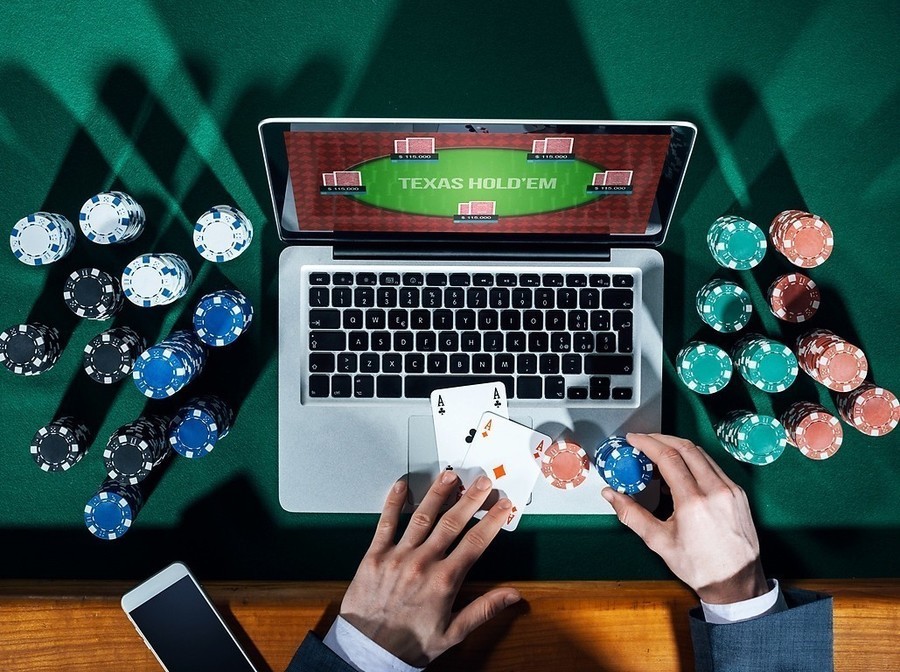
Enhancing Your Gambling Experience Online
For those looking to enjoy gambling in a safe and responsible manner, finding reputable online casinos is vital. Our platform offers expert-reviewed guides that help players navigate the vast online gambling landscape. By evaluating sites based on security, bonuses, and player satisfaction, we ensure a safe gaming experience for everyone.
Our comprehensive assessments consider various factors, including game selections and customer service. By prioritizing these aspects, players can focus on enhancing their online gambling journey while minimizing the risks associated with gambling. Understanding the psychology of risk is essential for making informed decisions and enjoying a fulfilling gaming experience.